Grid balancing: an example from the real world
In early June, two disturbances hit the Swedish grid almost simultaneously. The event makes a clear example of how the ancillary service market, and the resources Qurrent steers, kept the system stable during a critical moment.
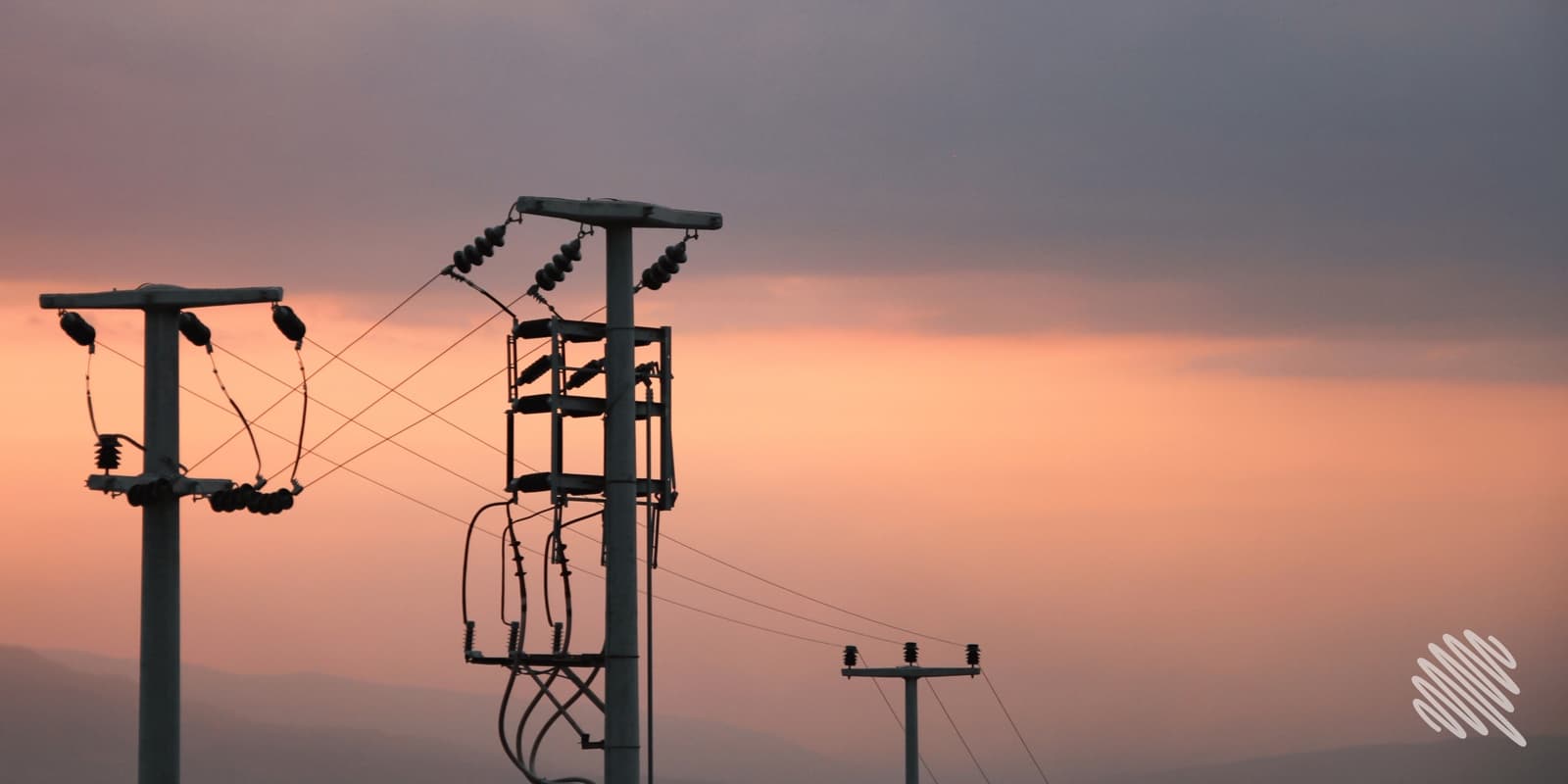
Two serious disturbances at once
Monday, 8 June. Near Bollnäs, people are spotted climbing a high-voltage line. To protect the lives of the climbers, Swedish TSO Svenska kraftnät immediately disconnects the line, and a large volume of power drops out of the system. Almost simultaneously, the Swe-Pol Link to Poland trips, removing 500 MW of imports in an instant. Grid frequency falls to 49.80 Hz.
This is exactly the kind of situation the ancillary service market exists for. Every up-regulation bid in bidding zones SE3 and SE4 was activated, and four gas turbines were started. Emergency imports were coordinated from Lithuania and Norway. Across the system, flexible resources responded by reducing load and pausing industrial processes, precisely when the grid needed it the most. Within just two hours, the system was back to normal.
Qurrent's role in grid stability
Grid balancing can sound abstract, but events like this show exactly what it means in practice: a real-time response to actual physical events, delivered by active resources owned by companies and individuals who have chosen to make their flexibility available to the system.
The resources Qurrent steers contributed significant volumes during those critical quarter-hours, and other market participants stepped in to support the ecosystem too. That's the heart of how the grid works: a collective of participants showing up when it truly counts, and together keeping the system stable through critical moments. This is what keeps hospitals running, factories operating and homes lit.
As the energy transition accelerates, grids become more complex, more dynamic and more dependent on distributed flexibility. It matters more than ever that the industry builds a reliable, well-functioning market for flexibility, ready to step in when the unexpected happens.
3 July 2026
Published by: Ida Li Sandgärde, Head of Marketing & Communications